
Different Coping Skills
Coping with mental health difficulties is challenging - coping techniques are simple exercises that try to accept, address and reduce the things you are experiencing. Detailed here are some different coping skills that you may wish to adopt to help improve your mental wellbeing.
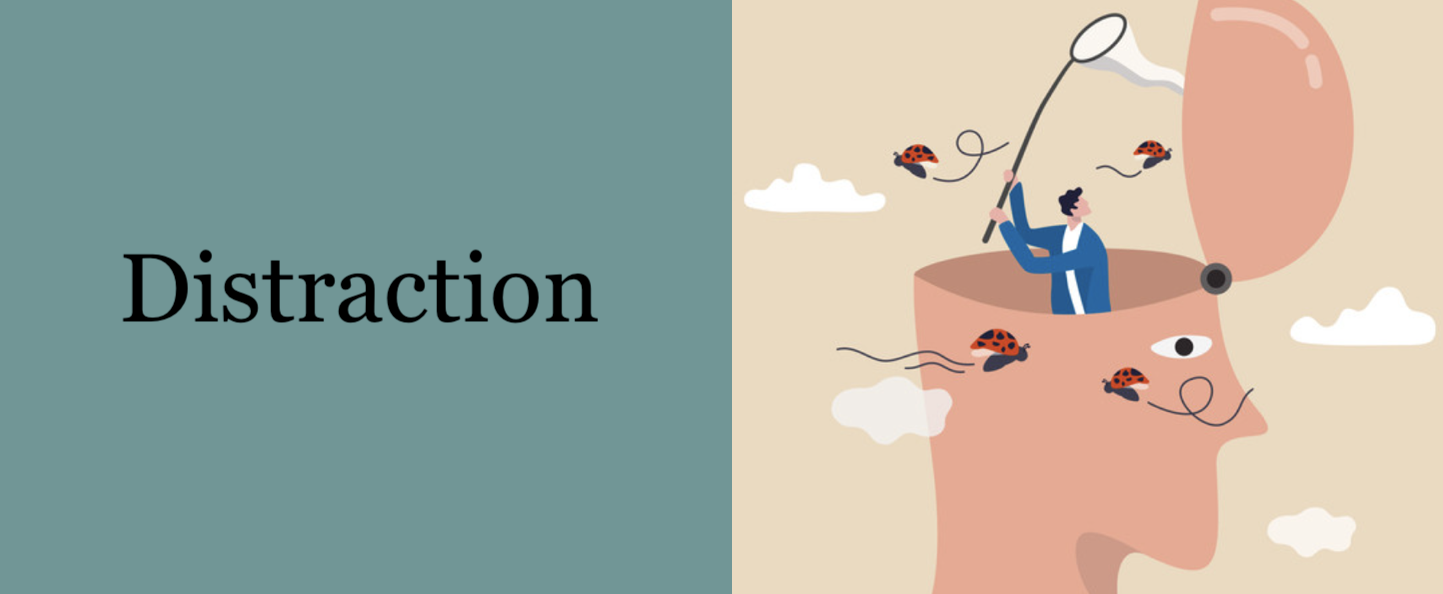
If you redirect your attention towards a positive and engaging activity it can offer much needed respite. Discover effective ways to utilise distraction as a coping strategy from distressing feelings.
Count backwards from 100
Find objects of certain colours
Name as many things as you can from a category eg animals, food, furniture, etc
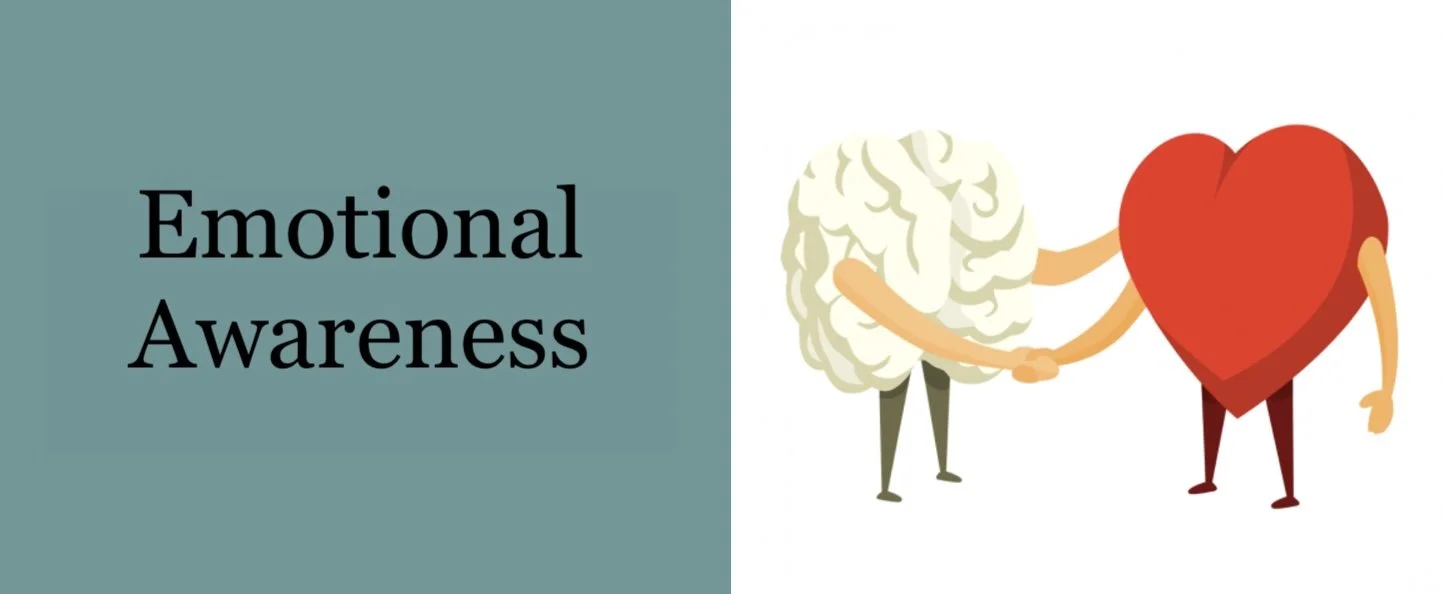
A powerful tool for managing anxiety is emotional awareness which enables individuals to recognise and understand their emotions at a deeper level. Become aware of expressing your emotions by
Expressing feelings - worry time, worry jar
Naming emotions with an emotional chart
Linking the mind and body connection

When untamed thoughts and worries govern our minds, cultivating mindfulness allows us to embrace the present moment with acceptance and non-judgement. Grounding/Mindfulness techniques help you become more present in the moment with methods such as
Deep breathing exercises
5,4,3,2,1 senses where you focus on your senses
Sensations - splash cold water on your face or hold ice

Acknowledge and take steps to counteract anxious urges. By consciously engaging in behaviours that contradict anxious impulses, one can challenge anxiety’s grip and regain control.
doing the opposite of how you feel
reading positive affirmations
listening to happy or calming music if feeling sad or distressed

Building a support network via social interactions can provide a sense of belonging and connection with others who may experience similar challenges.
Keep social via
volunteering
joining a club
team sports
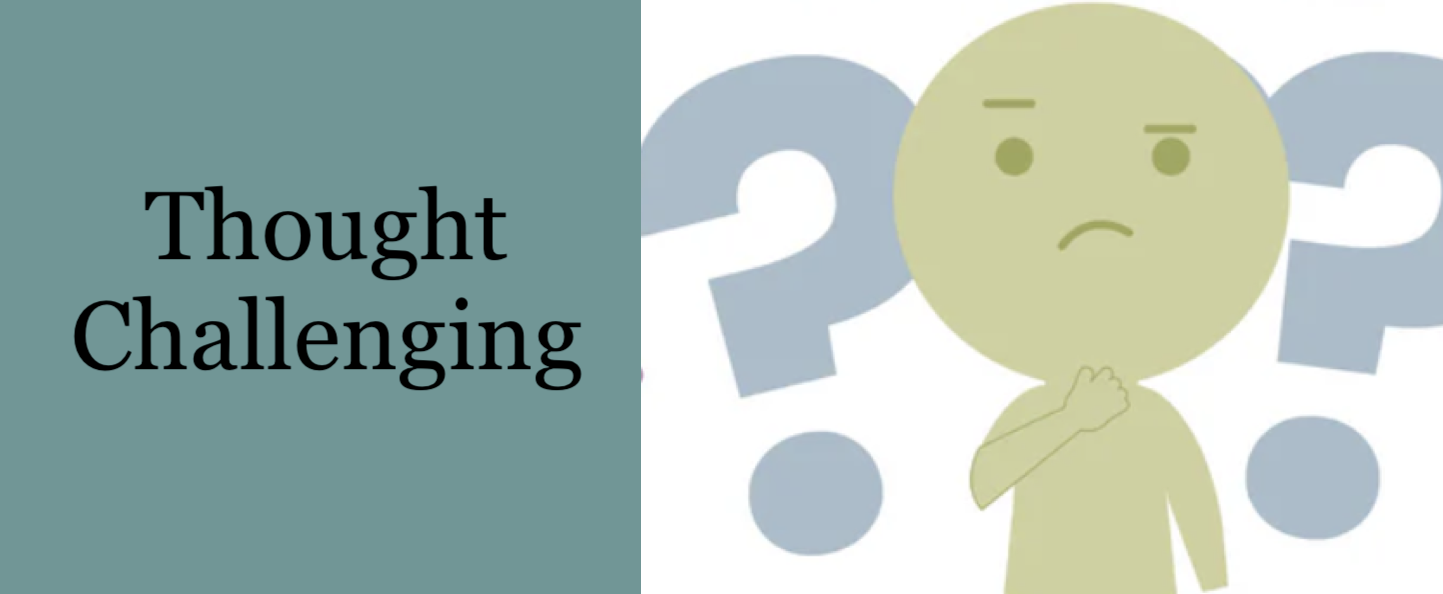
Thought challenging is a valuable technique that empowers individuals to question and reframe anxious thoughts, identify negative thinking patterns and replace with rational positive ones.
thinking of the worst case scenario
identifying the pros and cons
put thoughts on trial and find the evidence