
Intrusive Thoughts and how to manage them
What are Intrusive Thoughts?
Intrusive Thoughts are unwanted images or ideas that unexpectedly pop into your mind which are sometimes about yourself or sometimes about others.
If you are experiencing intrusive thoughts it does not necessarily mean you are at risk of harming yourself or others. Generally, most people experience intrusive thoughts at some point and are more common than you think.
Researchers have described intrusive thoughts as a sort of “brain hiccup” or misinterpreted warning signal - a way our mind alerts us of potential danger with a protective instinct.

Why do Intrusive Thoughts happen?
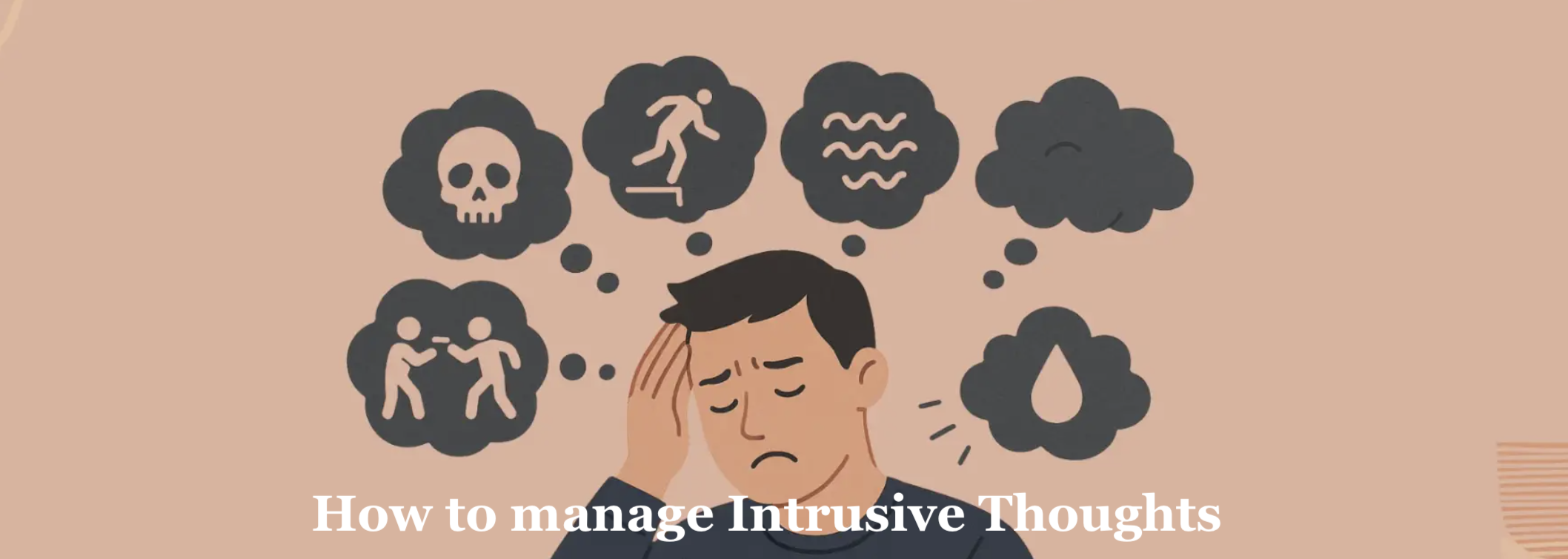
A common trigger for intrusive thoughts is stress but even those with low or normal levels of stress can have intrusive thoughts. Intrusive thoughts can fall into the following categories:-
Phobias or deep-seated fears
Shameful or embarrassing thoughts
Sexual or Violent thoughts
Thoughts that go against personal values
How to manage Intrusive Thoughts
There are several ways of managing intrusive thoughts and remember that they are part of being a human and do not have to control your life.
Ways to help to manage these thoughts are:-
Notice and Accept the Thought - trying to fight it often makes it stronger.
Avoid self judgement - Intrusive thoughts do not define who you are.
Cognitive Behavioural Therapy (CBT) - can help you recognise patterns, reframe unhelpful thinking and respond in healthier ways. Adopting techniques such as exposure and response prevention (ERP) and mindfulness based strategies are particularly effective.

NOTICE AND LABEL
Pause and Notice the Thought. Label it as an Intrusive Thought.
“This is an intrusive thought. I know this because it feels horrible.”

IT IS JUST A THOUGHT
Remind yourself that thoughts are just thoughts and are not within your control. They do not reflect your character or morals.
“Thoughts are just thoughts I am allowed to ignore it.”

ACCEPT THE THOUGHT
Accept the thought is there and do not push it away. The more you fight it the harder it sticks.
“I allow the thought to be there because it is just a thought. It doesn’t mean anything.”

4. OBSERVE IT MINDFULLY
Observe your thoughts and feelings non-judgementally. Watch them float in and out of your mind.
“I am observing the thought without judgement, because thoughts on their own do not mean anything.”
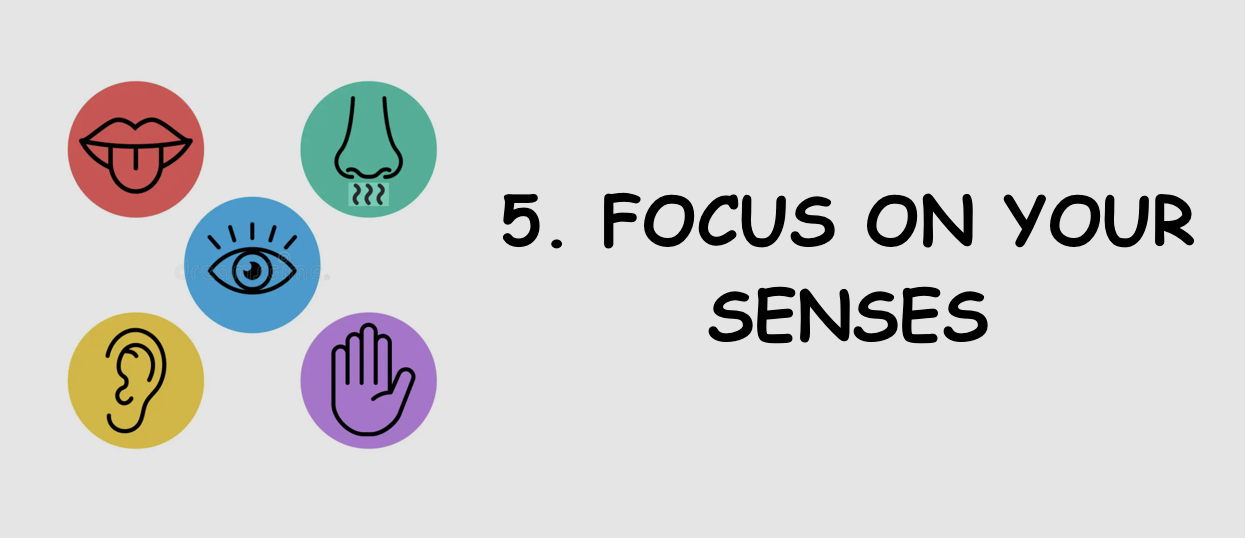
5. FOCUS ON YOUR SENSES
What are 5 things you can see. What are 4 things you can touch? 3 things you can hear? 2 things you can smell, 1 thing you can touch?
“I am moving my attention to my senses.”
6. ALLOW YOUR NATURAL CALMING RESPONSE
As time passes, your body’s natural calming response will begin to take place. Slow down your breath.
“I am allowing time to pass. I am not in any danger.”

CARRY ON WITH YOUR DAY
Continue whatever you were doing prior to having the thought. Do not avoid anything.
“Thoughts on their own have no power. I will carry on with my day.”
Therapy sessions can help with intrusive thoughts
If you are experiencing intrusive thoughts therapy can help by creating a structured, safe space to explore your thoughts without judgment. It’s not about suppressing the intrusive thoughts —it is about understanding where they come from and learning how to respond in ways that reduce their power.
At North Star Practice we use evidence-based techniques to help reduce the intensity and frequency of intrusive thoughts. During therapy dependant on your needs you may work with a combination of methods that address both thought patterns and emotional responses.